






Smart Ring: The Complete Guide to Wearable Health & Fitness Technology


What Is a Smart Ring?
A smart ring is a compact wearable device designed to provide health, fitness, sleep, and lifestyle insights from your finger. Unlike traditional jewelry, a smart ring contains miniature sensors and wireless technology that can collect data throughout the day and night.
Modern smart rings can track metrics such as heart rate, activity, sleep, skin temperature, blood oxygen, and heart-rate variability (HRV), depending on the model. The collected information is typically synchronized with a smartphone app where users can view trends, scores, and personalized insights.
The popularity of smart rings has grown as consumers look for wearable technology that is discreet, lightweight, and less distracting than a traditional smartwatch.
How Does a Smart Ring Work?
A smart ring is a compact wearable device designed to provide health, fitness, sleep, and lifestyle insights from your finger. Unlike traditional jewelry, a smart ring contains miniature sensors and wireless technology that can collect data throughout the day and night.
Modern smart rings can track metrics such as heart rate, activity, sleep, skin temperature, blood oxygen, and heart-rate variability (HRV), depending on the model. The collected information is typically synchronized with a smartphone app where users can view trends, scores, and personalized insights.
The popularity of smart rings has grown as consumers look for wearable technology that is discreet, lightweight, and less distracting than a traditional smartwatch.
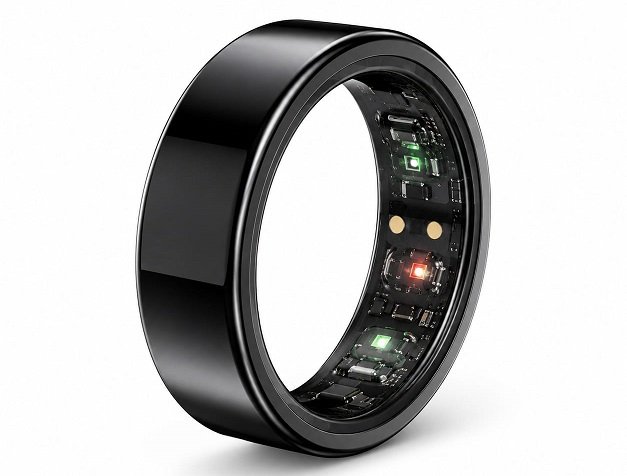
What Can a Smart Ring Track?
One of the biggest advantages of a smart ring is its ability to collect information passively while you go about your normal routine
What Can a Smart Ring Track?
One of the biggest advantages of a smart ring is its ability to collect information passively while you go about your normal routine.
1. Sleep Tracking
Sleep tracking is one of the most popular smart ring features.
Depending on the device, a smart ring can provide information about sleep duration, sleep stages, movement during sleep, heart rate, and other nighttime measurements.
Some models also use blood oxygen and skin-temperature measurements to provide additional sleep insights. Samsung, for example, says its Galaxy Ring can track sleep using heart rate, blood oxygen, skin temperature, and movement.
A smart ring can therefore help you identify patterns such as:
- How long you sleep
- When you go to sleep and wake up
- Changes in your nighttime heart rate
- Sleep consistency
- Changes in recovery-related metrics
Remember that consumer smart rings are generally designed for wellness tracking and should not be treated as a substitute for professional medical evaluation.
2. Heart Rate Monitoring
Many smart rings continuously or periodically monitor heart rate.
Heart-rate information can help users understand how their body responds to everyday activities, exercise, rest, and sleep.
When viewed over time, trends can be more useful than focusing on a single measurement.
3. Heart-Rate Variability
Heart-rate variability (HRV) refers to variations in the time between heartbeats.
Many wearable devices use HRV as one of several inputs for wellness and recovery insights. Tracking trends can help users understand changes in their overall recovery and stress-related patterns.
Because HRV can vary significantly between individuals, it is generally more useful to monitor your personal trends rather than compare your numbers directly with someone else's.
4. Activity and Fitness Tracking
A smart ring can also function as a discreet fitness tracker.
Depending on the model, features may include:
- Step tracking
- Activity monitoring
- Calorie estimates
- Workout detection
- Movement tracking
- Recovery insights
Smart rings are particularly appealing to people who want fitness information without wearing a large screen on their wrist.
5. Skin Temperature Tracking
Some smart rings include temperature sensors that monitor changes in skin temperature.
Temperature trends can contribute to broader wellness insights and, on some platforms, features related to menstrual-cycle tracking or changes in personal health patterns.
The usefulness of temperature data depends on the sensors, algorithms, fit, and software used by the individual ring.
Benefits of Using a Smart Ring
Discreet and Comfortable
One of the biggest advantages of a smart ring is its small form factor.
Unlike a smartwatch, a smart ring usually has no large screen competing for your attention. It can look much more like traditional jewelry while still collecting useful data.
Designed for 24/7 Wear
Because smart rings are small and screen-free, many people find them convenient for continuous wear, including overnight.
This is especially valuable for sleep tracking because consistent wear can provide more complete personal data.
Long Battery Life
Battery life varies considerably between products, but smart rings are generally designed to operate for multiple days between charges.
This can make them convenient for people who don't want to charge a wearable every night.
Personalized Wellness Insights
The real value of a smart ring isn't simply collecting numbers.
Companion apps can combine multiple measurements to identify trends and provide summaries related to sleep, activity, recovery, and overall wellness.
Current smart-ring platforms increasingly focus on turning raw sensor data into easier-to-understand recommendations and insights.
Smart Ring vs. Smartwatch
Smart rings and smartwatches serve different purposes.
A smartwatch is generally better if you want:
- A display
- Notifications
- Apps
- GPS
- Calls and messages
- Detailed workout controls
A smart ring can be a better choice if you prioritize:
- Sleep tracking
- Discreet health monitoring
- Comfortable overnight wear
- Minimal distractions
- A jewelry-like design
- Passive wellness tracking
Many smart rings don't have displays, which allows them to focus on collecting information in the background rather than constantly presenting notifications.
What Should You Look for When Buying a Smart Ring?
Not every smart ring offers the same features. Before buying one, consider the following factors.
Sensors and Tracking Features
Check which measurements the ring actually supports.
If sleep is your priority, look for strong sleep-tracking capabilities. If fitness is more important, check workout and activity features.
Battery Life
Compare the manufacturer's battery-life rating and consider how frequently you are comfortable charging the ring.
Comfort and Size
Fit is extremely important.
A ring that is uncomfortable is less likely to be worn consistently, which can reduce the amount of useful data collected.
Many manufacturers offer sizing kits because smart rings need a more precise fit than conventional jewelry.
Smartphone Compatibility
Before purchasing, confirm that the ring works with your smartphone and operating system.
Some smart rings are designed around specific ecosystems, while others support a wider range of devices.
Subscription Costs
Some smart-ring brands offer their full software experience without a recurring subscription, while others charge for advanced insights.
Always check the total cost of ownership—not just the initial ring price.
Privacy
A smart ring can collect highly personal wellness information.
Before buying, review the manufacturer's privacy policy and understand what information is collected, how it is stored, and how it may be used.
Who Should Use a Smart Ring?
A smart ring may be a good option for people who want a simple way to monitor wellness trends without wearing a smartwatch.
It can be particularly useful for:
- People interested in improving their sleep habits
- Fitness enthusiasts tracking activity and recovery
- Professionals who prefer distraction-free wearables
- People who dislike bulky wrist devices
- Users interested in long-term wellness trends
- Anyone who prefers technology with a minimalist design
Are Smart Rings Accurate?
Smart-ring accuracy varies by device, sensor, software, fit, and the specific metric being measured.
A smart ring should therefore be viewed as a wellness and fitness tracking tool, rather than assuming every measurement is equivalent to a clinical test.
For the best results, wear the ring according to the manufacturer's instructions and maintain a consistent fit.
Most importantly, look at trends over time instead of becoming overly concerned about a single reading.
The Future of Smart Rings
Smart rings are becoming an increasingly important part of the wearable technology market.
Recent products are expanding beyond basic activity tracking toward more sophisticated sleep analysis, recovery insights, AI-assisted recommendations, and broader wellness features. Industry coverage in 2026 shows continued competition among brands such as Oura, Samsung, RingConn, and Ultrahuman.
As sensors become smaller and software becomes more sophisticated, smart rings are likely to become even more capable while maintaining their discreet, jewelry-like form.
Frequently Asked Questions About Smart Rings
What is a smart ring used for?
A smart ring is primarily used for health, fitness, sleep, activity, and wellness tracking. Features vary by manufacturer and model.
Can a smart ring track sleep?
Yes. Many smart rings are designed to monitor sleep and provide information such as sleep duration, movement, heart rate, and other nighttime metrics.
Is a smart ring better than a smartwatch?
It depends on your needs. A smartwatch offers a screen, notifications, apps, and often GPS, while a smart ring emphasizes discreet, passive wellness and sleep tracking.
Do smart rings need a phone?
Most smart rings rely on a companion smartphone app to synchronize, process, and display detailed information.
How long does a smart ring battery last?
Battery life varies by model and usage. Check the manufacturer's specifications before purchasing.
Are smart rings safe to wear?
Smart rings are generally designed for continuous everyday wear. However, users should follow the manufacturer's instructions regarding fit, charging, materials, and skin contact.
Can a smart ring replace a medical device?
No. Consumer smart rings are generally designed for wellness and fitness purposes. They should not be used to diagnose or treat a medical condition unless a specific product has the appropriate regulatory authorization for that purpose.
Final Thoughts
A smart ring combines discreet design with powerful wearable technology, giving users a convenient way to understand their sleep, activity, heart-rate trends, recovery, and everyday wellness.
The best smart ring for you depends on what you want to track, your preferred smartphone ecosystem, comfort, battery life, subscription requirements, privacy preferences, and budget.
If you want wearable technology that stays out of the way while helping you better understand your daily habits, a smart ring could be an excellent addition to your lifestyle.
Wear smarter. Understand your body. Live better.